
Actually, the idea behind #Winboat is great, but the implementation still seems a bit unstable. It had been running since the installation at the beginning of the year, but today the software completely refused to work.
The image suddenly reported insufficient RAM. I tried to fix it somehow, but unfortunately, that ended up breaking everything for good. Instead of spending more time troubleshooting, I switched directly to the Dockurr Windows Image – which is the technical basis of Winboat anyway.
1. My Preparation
Since I use Podman, the first thing I did was create the necessary folders on my host system. This way, the data won't be lost if the container ever needs to be recreated:
mkdir -p $HOME/Windows/System
mkdir -p $HOME/Windows/Shared
2. The Start Command
Don't forget: Replace the placeholders in -e USERNAME and -e PASSWORD with your own credentials.
podman run -d \
  --name windows \
  -p 8006:8006 \
  --device=/dev/kvm \
  --cap-add NET_ADMIN \
  -e RAM_SIZE="8G" \
  -e USERNAME="Carsten" \
  -e PASSWORD="1234" \
  -e LANGUAGE="German" \
  -v $HOME/Windows/System:/storage:Z \
  -v $HOME/Windows/Shared:/shared:Z \
  --stop-timeout 120 \
  dockurr/windows
Once the container is running, you can access the new Windows directly via your browser:
http://127.0.0.1:8006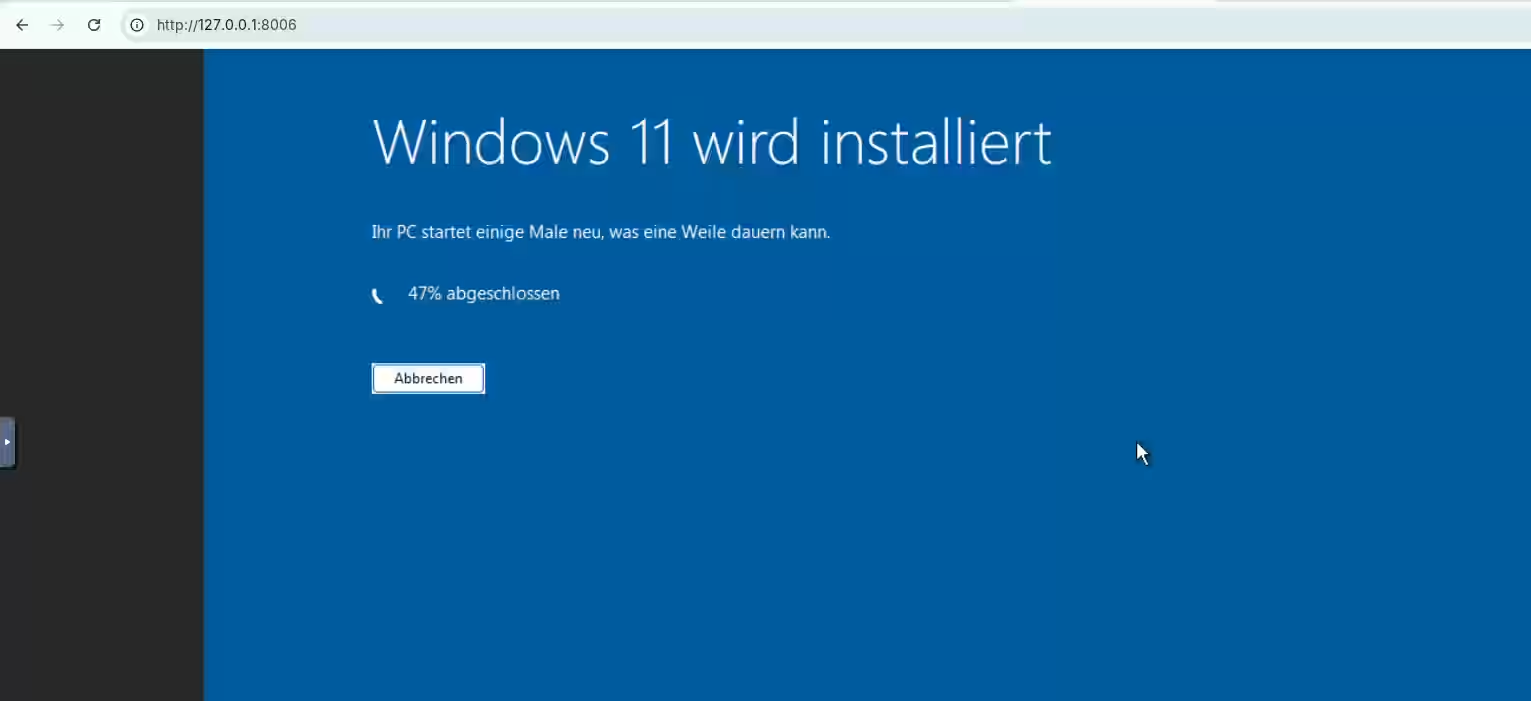
3. Summary
I only had to run the long command above once. In everyday use, I now control my Windows comfortably using these shortcuts:
- Start:
podman start windows - Stop:
podman stop windows(or simply shut down within Windows) - Check status:
podman ps -a
Related Links:
- The image used: GitHub - dockur/windows
- The original app: Winboat.app
- Podman: Podman